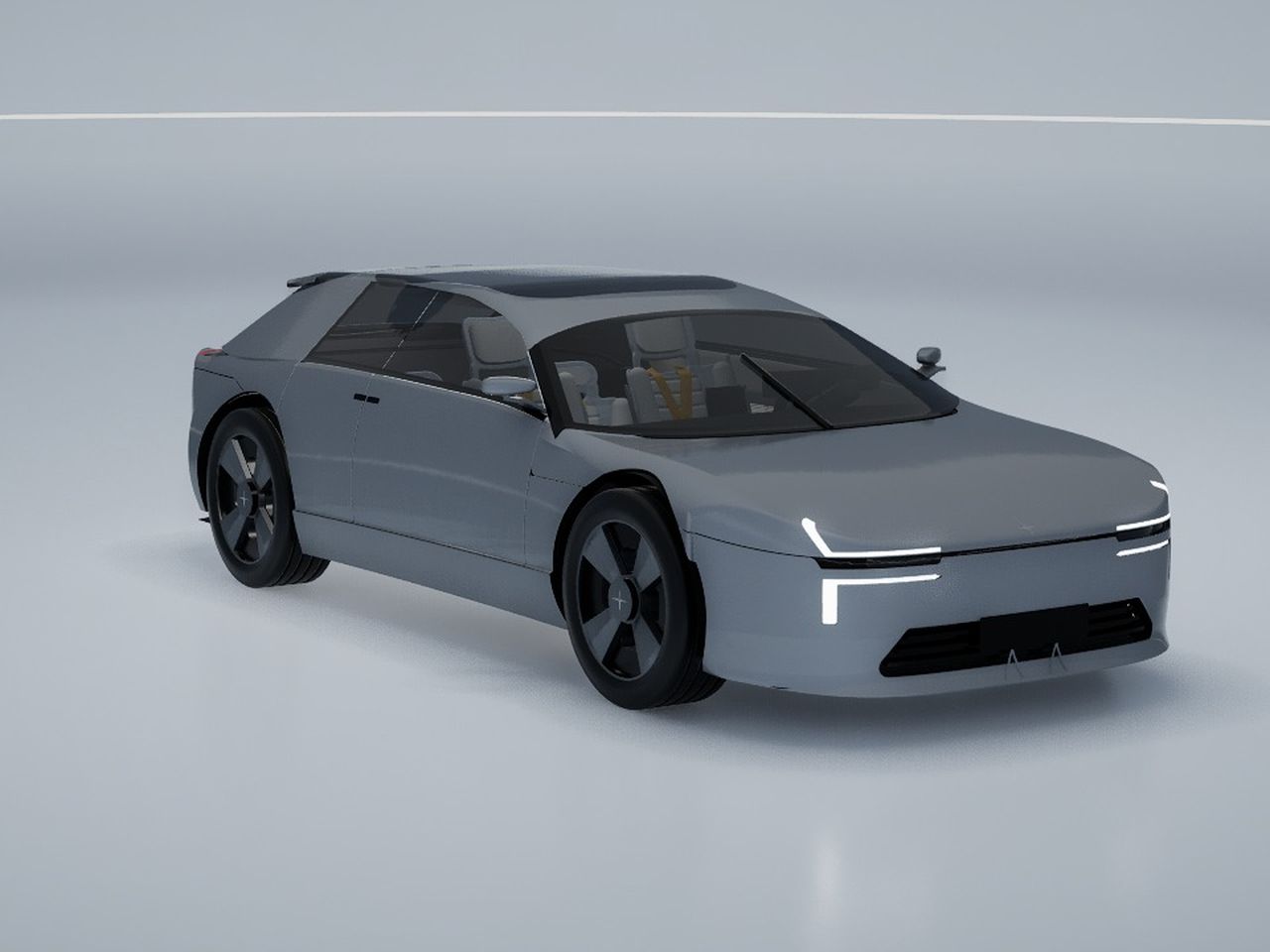
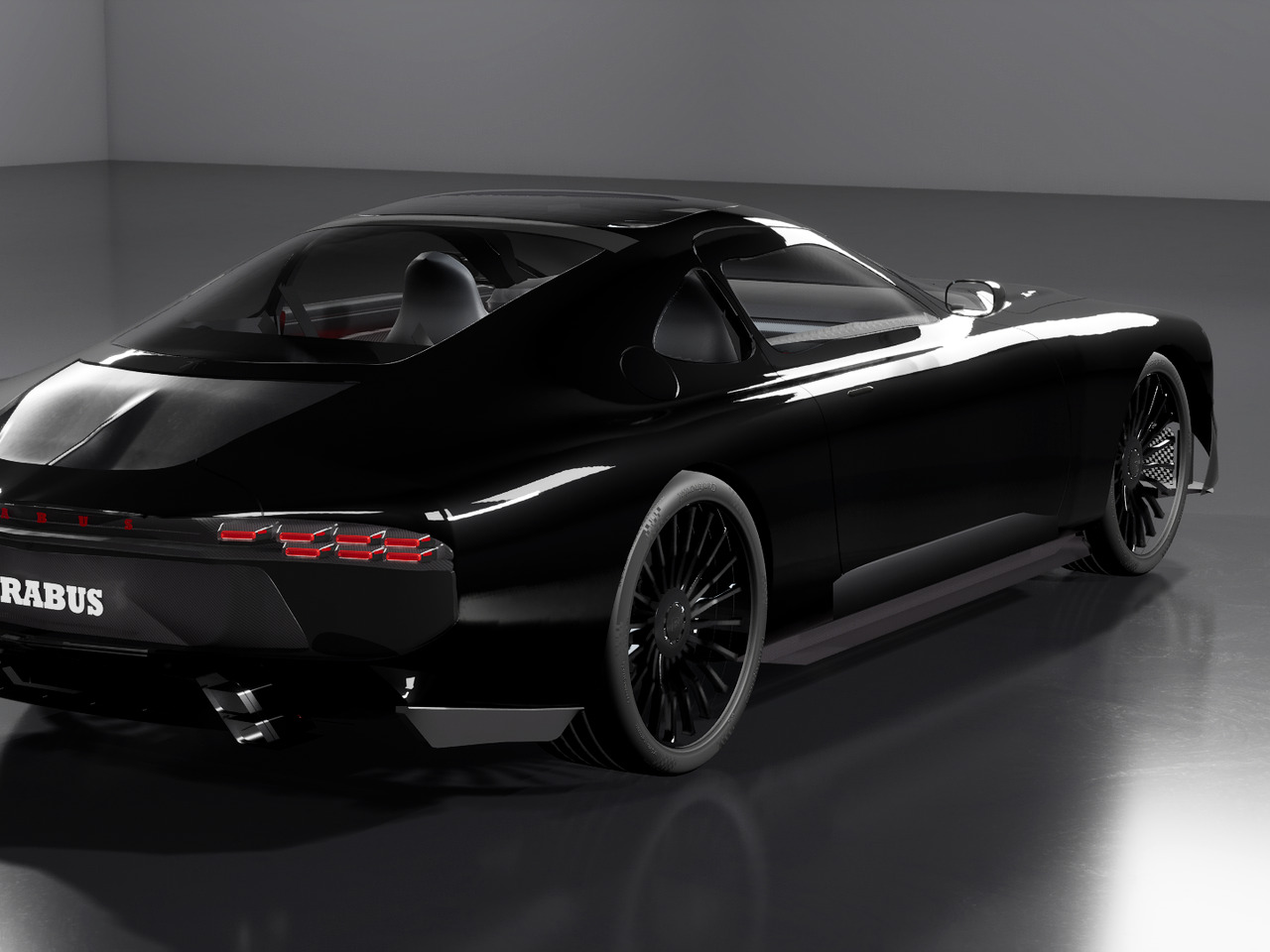
Short answer: for a real-time car configurator on a premium car, use both. Open in 2D images so the first screen is instant and costs nothing, then stream Unreal Engine 5 with Pixel Streaming when the buyer taps into 3D. WebGL is the right call only when the car can be simplified and you need it to run with no server at all.
I build car configurators in Unreal Engine 5. I've shipped all three approaches in test builds, and each one breaks in a different place. Here's what I've learned.
What are the three ways to build a 3D car configurator?
| 2D pre-rendered images | WebGL (3D in the browser) | Pixel Streaming (Unreal Engine 5 in the cloud) | |
|---|---|---|---|
| Where the car is drawn | Rendered ahead of time | On the visitor's device | On a cloud GPU, sent as video |
| First load | Instant | Seconds, the 3D model has to download | A few seconds to start a session |
| Visual quality | As good as your render | Limited by the weakest device | Full UE5: real paint, glass, reflections |
| Free camera | No, fixed angles | Yes | Yes |
| Cost per visitor | About zero (image hosting) | About zero (file hosting) | Per streaming minute |
| Works on an old phone | Yes | Often struggles | Yes, it's just video |
| Every option combination | Must be pre-rendered | Live | Live |
When are 2D images enough?
When buyers mostly want to pick paint, wheels and trims and see the result from a few good angles. That's most of a configurator session.
The catch is combinations. Every paint times every stripe times every wheel times every angle is one more image. Seven paints and four stripe options is 28 images per angle. That's fine. Add wheels, interiors and a roof option and the count explodes. So 2D works for the first screen, not for everything.
When does WebGL make sense?
When you need 3D with no server cost and the car can be simplified. Smaller brands, accessories, early concepts.
The problem for a premium car is that WebGL runs on the visitor's device. You have to cut the model down until the slowest phone you care about can draw it. Car paint is the first thing that suffers: the flake, the clear coat, the way a dark colour goes almost black in shade. That's exactly what a buyer of a six-figure car is looking at.
When is Pixel Streaming worth it?
When the car itself is the selling point. Pixel Streaming runs the full Unreal Engine 5 build on a cloud GPU and sends the picture to the browser as video. The buyer's phone does almost no work.
On our Polestar Formula 2030 build we held 60 fps at 1440p in 35 of 36 test views (our own test). The one view that dropped taught us more than the 35 that didn't, but that's another post.
The cost is the stream. Vagon Streams lists $0.025 to $0.047 per streaming minute depending on the machine (vagon.io/streams/pricing, checked 16 Nov 2026). You pay for minutes people spend in 3D, not for page views.
Why the best setup is hybrid
Porsche's configurator does this really well. It opens as a light image-based configurator, and the immersive 360° view starts only when you ask for it. It feels like one product, not two.
That design fixes the weak spot of each option:
- The first screen is instant. No waiting for a model or a GPU.
- Browsing costs nothing. The stream only starts for people who want a closer look, so the bill follows real interest.
- The 3D view is full quality. No simplified car for the moment that matters most.
- One spec, both views. The paint and wheels you picked in 2D are already on the car when the stream opens.
Point 4 is the hard part. Keeping the browser and Unreal in sync is product work, not a deployment step. If you plan streaming from day one, it's smooth. If you bolt it on later, the buyer feels the seam.
Where does the configurator actually earn its money?
People visit configurator pages 1 to 6 months before they buy, and those visits track with sales (MDPI Forecasting, "Influence of Car Configurator Webpage Data from Automotive Manufacturers on Car Sales"). So the configurator is often the first real contact a buyer has with the car. It should feel as good as the car does.
It's also a survey nobody has to fill in. Every spec built tells you which paints and wheels people want, months early.
What I'd pick, by situation
- Premium or limited-run car, buyers can't see it in person: hybrid. 2D first, Pixel Streaming on a tap.
- Big range, many trims, cost matters most: 2D for the full range, stream only the flagship.
- Accessories, small parts, no server budget: WebGL.
- Pre-launch reveal with a big traffic spike: 2D plus recorded film from the same build, stream for invited buyers only.
Not sure which one fits your car? That's what the live session below is for. You drive one of our builds, I answer the questions your team would ask.