Short answer: choose a car configurator design agency by what you can try, not what you're shown. Open a live build, check the paint in shade, change ten options fast, and ask how your spec gets from the page to your sales team. Then ask who runs it after launch.
I build these for a living, so take this with that in mind. But these are the same questions I'd ask if I were the one hiring.
What should you see before you sign?
A live build you can open yourself. Videos and stills are made from the best frame. A live build shows you everything else.
When you open it, try this:
- Load it on your phone, on mobile data. Time how long until you see a car.
- Pick the darkest paint. Rotate the car so the side is in shade. Dark paint is where weak materials fall apart.
- Change ten options fast. Paint, wheels, calipers, trim, back to the first paint. Watch for flicker, wrong parts or a reset camera.
- Zoom on the wheel. Brake detail, tyre sidewall and spoke depth tell you how much care went in.
- Close it and come back. Your spec should still be there.
If the agency can't give you a link to try, ask why. Some work is under NDA, which is fair. Then ask for a private session where you drive it yourself.
How does the agency handle your CAD?
A good car configurator company starts from your engineering data. That's how panel gaps, wheel offsets and proportions end up right instead of close.
CAD isn't built for real time. It has to be cleaned, split into the parts buyers can change, and turned into meshes a GPU can draw fast. Ask:
- Do you work from our CAD or rebuild from photos?
- How do you check the result against our reference images?
- Who on your side signs off that it matches?
Accuracy is the thing I've had to work hardest on. Early on I learned that "looks great" and "looks exactly like our car" are two very different bars. A brand will spot a wrong shut line in a second.
Can they show real numbers from their own builds?
Ask for measurements, with the method. Not "smooth" or "fast". Frame rates, load times, the hardware they tested on.
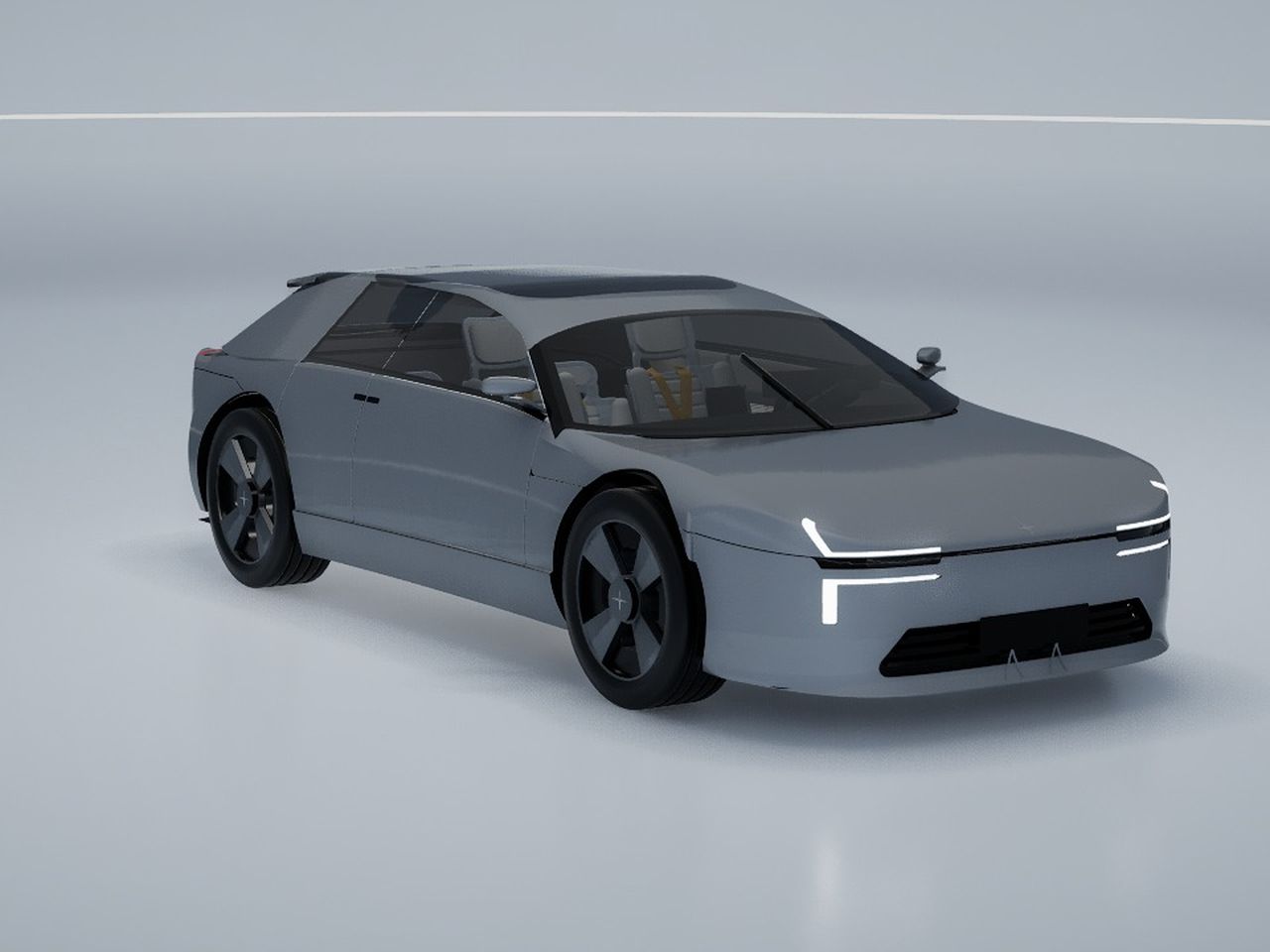
Here's ours as an example. On our Polestar Formula 2030 concept build, it held 60 fps at 1440p in 35 of 36 test views across all three places, on my own machine. One view dropped below. I'd rather tell you that than round it up. An agency that knows where its weak spot is will fix it before your buyers find it.
What does a car configurator design agency actually deliver?
It depends on the agency. Get it in writing, line by line. Here's the list I'd want to see:
| Deliverable | What to check |
|---|---|
| The 3D car | Built from your CAD, every option you sell, checked against your photos |
| Materials | Paint, glass, chrome, carbon, leather if shown, in both studio and outdoor light |
| Option rules | What can't go with what, enforced in the build, not just on the page |
| Web front end | Opens fast on a phone, works with or without 3D |
| Streaming setup | Which provider, which regions, what happens when traffic spikes |
| Spec hand-off | A code or saved build your dealer or concierge team can open |
| Stills and film | Whether the same build renders your marketing images |
| Handover | Source files, docs, and who owns what at the end |
The option rules line gets missed a lot. If the page lets someone order a wheel that doesn't fit the brake package, your sales team pays for it later.
Should you hire a big studio or a small one?
It depends on what you're building. A large 3D configurator studio has more people, more process and can run several brands at once. A small team gives you the people who actually build it, on every call.
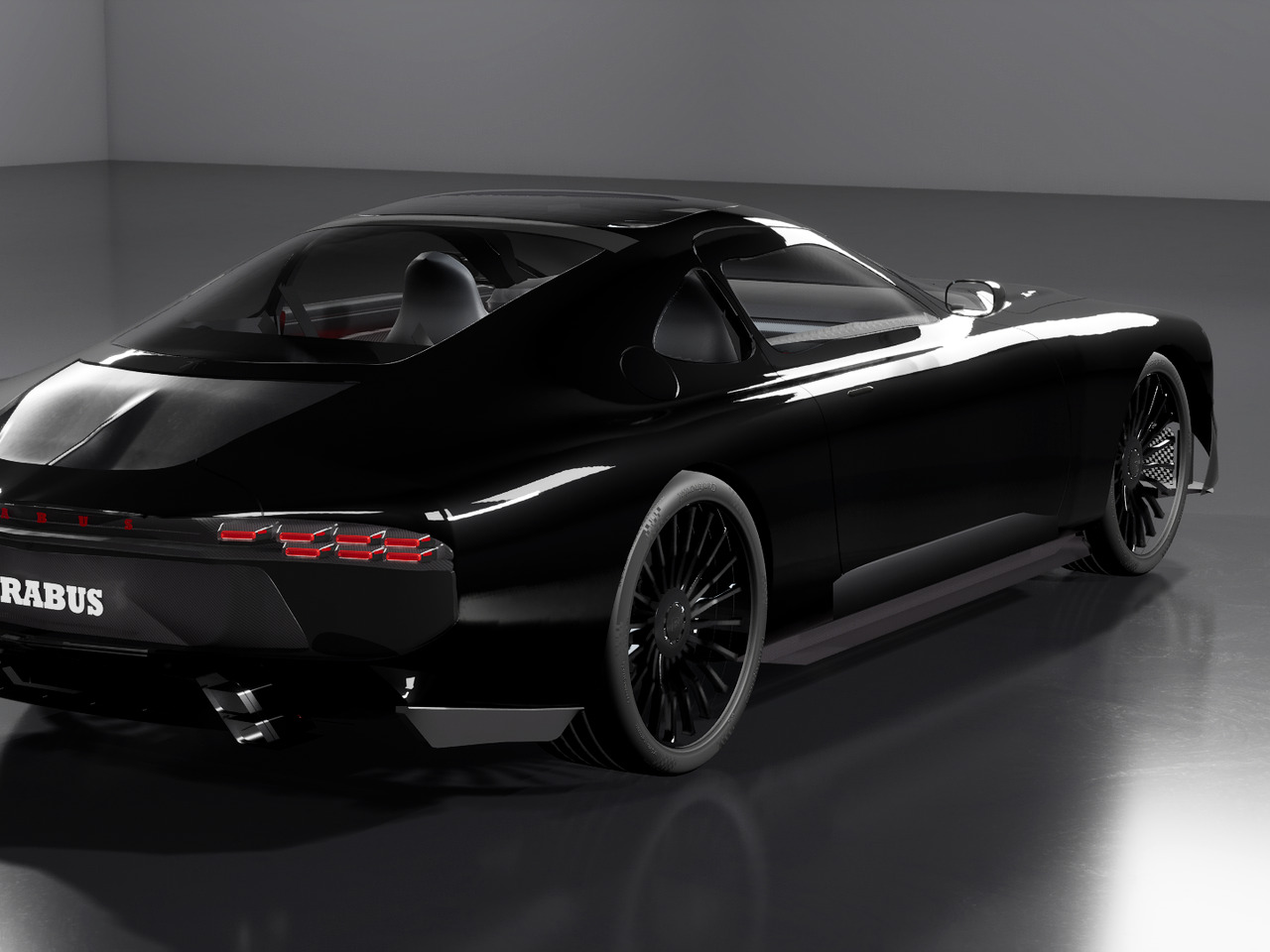
For limited runs and coachbuilders, I think small often fits better. When I built the Brabus Bodo configurator, the whole run is 77 cars in total. For a car like that the configurator isn't sorting buyers into trims. It's often how a reservation holder sees their exact car before it exists. That needs care on every option more than a big team.
For a high volume brand with many models, markets and languages, a bigger team may make more sense. Neither is wrong. Match the agency to the job.
What happens after launch?
Ask this before you sign, not after. A configurator is never finished. New paints come in, wheels change, a model year rolls over.
Questions worth asking:
- Who adds a new paint, and how long does it take?
- Who watches the streaming bill each month?
- What happens if the stream goes down on launch day?
- Can we take the project in house later, with full source files?
Streaming cost follows use. Providers like Vagon list a price per streaming minute, from $0.025 to $0.047 depending on the machine (vagon.io/streams/pricing, checked 16 Nov 2026). So it matters how the build decides when to start a stream. A build that opens in images and streams 3D only on a tap pays for real interest, not page views. I wrote more about that in how to build a hybrid 2D and 3D configurator.
Why does this choice matter so much?
Because buyers live with it for months. People visit configurator pages 1 to 6 months before they buy, and those visits track with sales (MDPI Forecasting, "Influence of Car Configurator Webpage Data from Automotive Manufacturers on Car Sales").
That's a long time for a buyer to spend with your car on a screen. The car configurator developer you pick decides what that time feels like. It should feel like your car, not like a demo.
A quick checklist
- Live build you can try yourself
- Built from your CAD, checked against your photos
- Real measurements with the method
- Option rules enforced in the build
- Spec hand-off to your sales team
- A clear plan for updates and streaming after launch
- Source files you own at the end
If you're comparing agencies right now, the live session below is a 20 minute way to drive one of our builds yourself and ask all of this.