Short answer: the best car configurator is the one a buyer forgets they're using. It opens fast, the paint looks like the real paint, every option is correct, and their spec never resets. Everything else on this list builds on those four.
I build configurators in Unreal Engine 5 and Blender. Most of what's below I learned by watching people use my builds and seeing where they got stuck. None of it is about features for the sake of features. It's about the small moments where a buyer either trusts the screen or doesn't.
What do buyers notice first?
Speed and paint. They notice both inside the first few seconds, before they've touched a single option.
So those two come first in the list. The rest are in roughly the order buyers run into them.
The 10 things, in order
- The first screen is instant. A buyer should see their car before they've decided whether to wait. That usually means images first, with a live 3D view one tap away. I wrote about why in Pixel Streaming vs WebGL vs 2D images.
- The paint looks like the real paint. Metallic flake, clear coat depth, how a dark colour goes almost black in shade. Paint is where a 3D car configurator wins or loses trust. If the red looks orange, nothing else matters.
- Every option is correct. The right wheel sizes, the right caliper colours, the right trims for that model year. One wrong option and the buyer starts doubting all of them.
- The rules make sense. If a wheel can't go with a certain package, the configurator says so and explains why. It never lets someone build a car that can't be ordered.
- The spec never resets. Change the view, open 3D, close it, come back tomorrow. The car is still theirs. This sounds basic. It's the thing I've seen break most often, including in my own early builds.
- You can walk around it. People want to see the rear three quarter, the wheel against the arch, the side profile. A real-time car configurator lets them move the camera where they'd move their feet.
- It moves when it should. Doors open, lights turn on, a roof goes up or down. Not as a gimmick. As proof that the thing on screen behaves like the car.
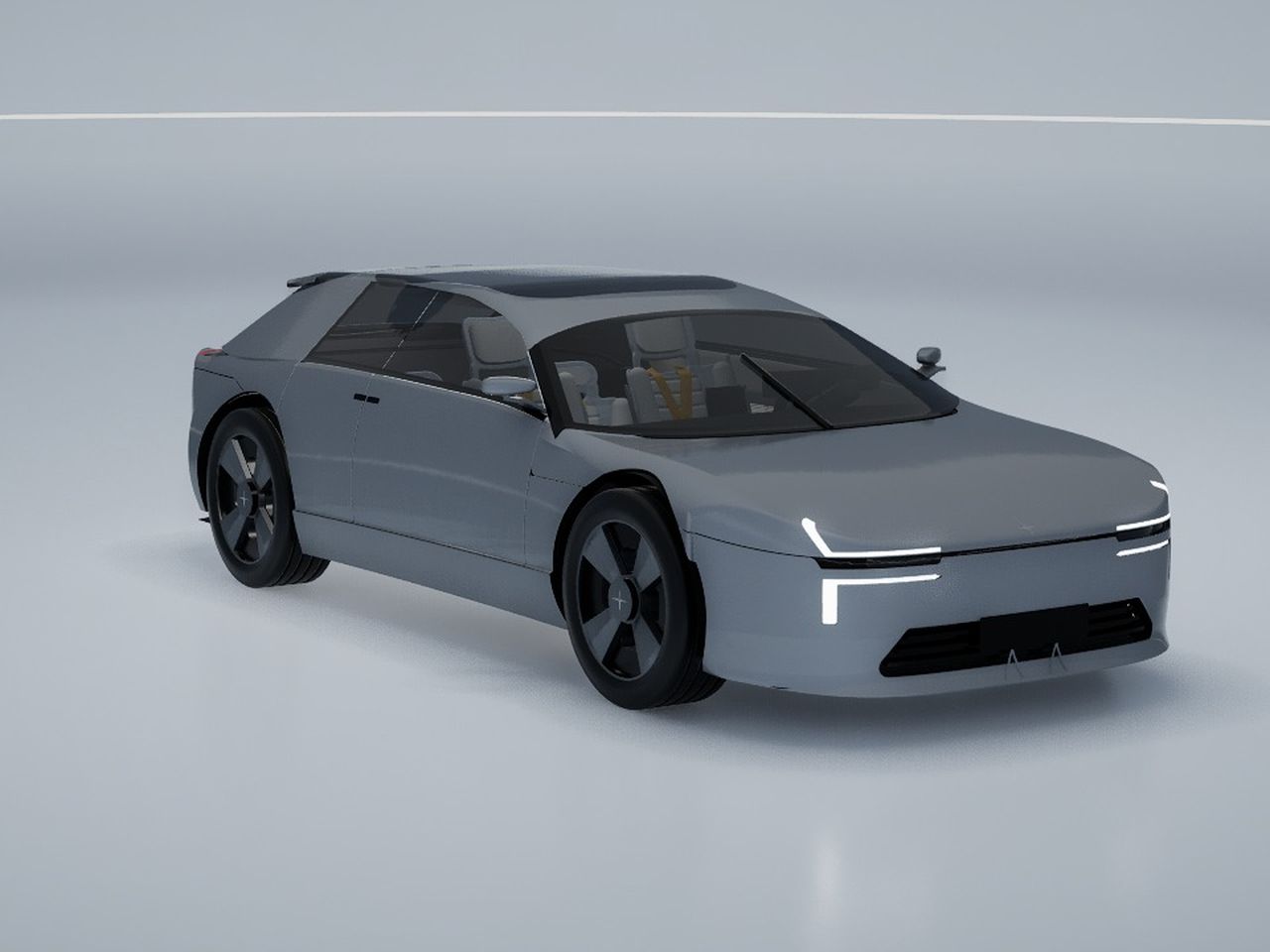
- It stays smooth. Stutter reads as cheap. On our Polestar Formula 2030 build I tested 36 camera views across three locations and it held 60 fps at 1440p in 35 of them, on my own machine. That one view that dropped taught me more than the 35 that didn't.
- You can see it outside. A white studio is great for detail. But buyers picture the car on a road, at dusk, in their driveway. Even one outdoor scene changes how a colour reads.
- It ends with a clear next step. A saved build, a spec code, a way to send it to the dealer or the brand's team. The configurator's job isn't over when the buyer is happy. It's over when the spec reaches someone who can sell the car.
Why does paint matter so much in an online car configurator?
Because paint is the most personal choice and the hardest to judge on a screen. A buyer might spend a long time on one colour.
On every build I check paint the same way: front light, side light, full shade, and outdoors at low sun. Most problems only show up in one of those four. A colour that looks perfect in the studio can go flat the moment you move it outside.
How does a limited run change what "best" means?
For a small run, every buyer is close to the brand, and accuracy matters even more. There's no room for a vague option.
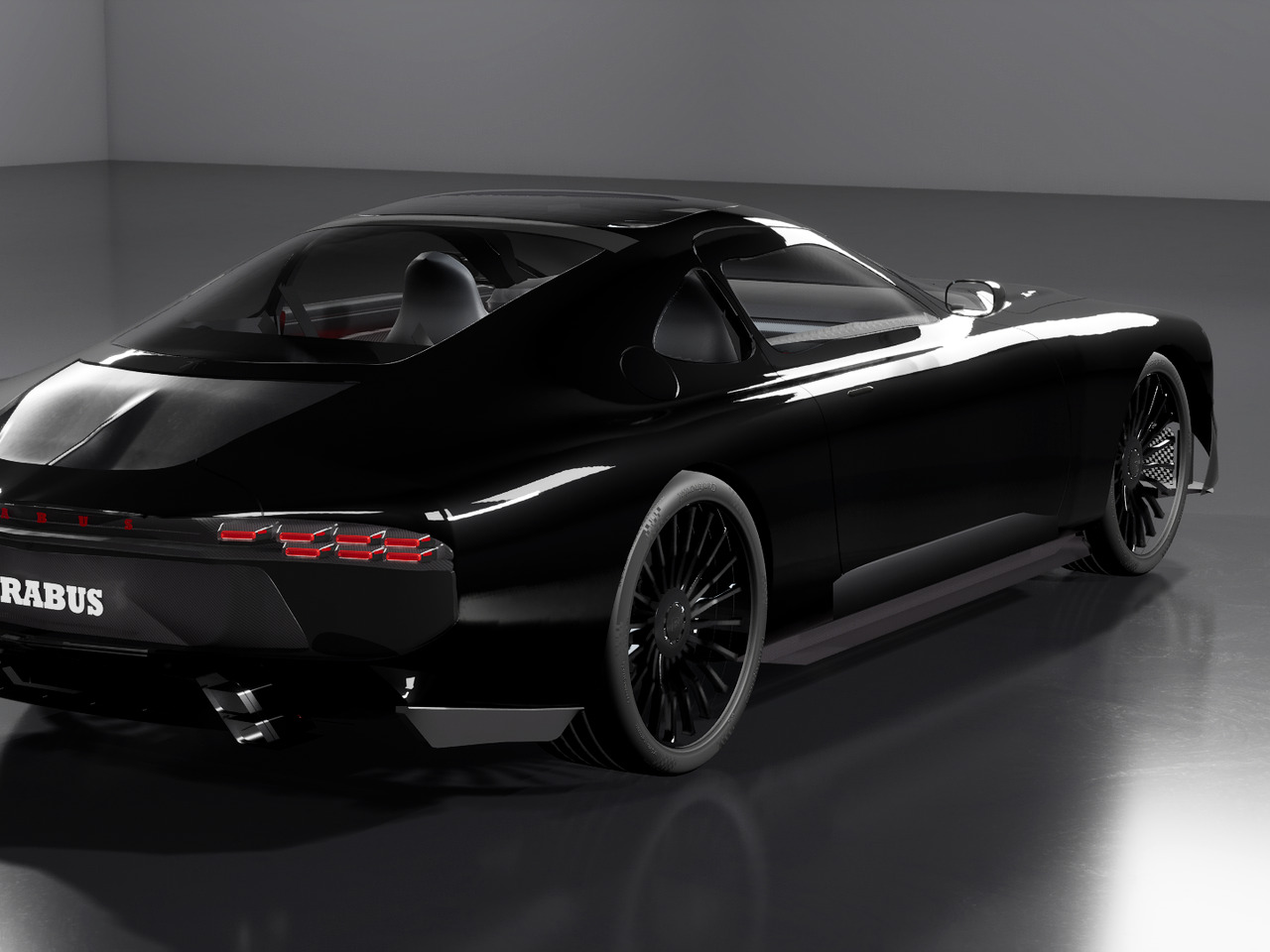
When I built the Brabus Bodo configurator, the whole run is 77 cars in total. For a car like that, the configurator isn't helping someone choose between trims on a showroom floor. It's often the main way a reservation holder sees their exact car before it exists. That changes the job. Fewer options, but each one has to be exactly right.
How do you test for this before launch?
Watch people use it without helping them. Then test the parts they never see.
| What to test | How I do it | What it catches |
|---|---|---|
| First screen | Cheap phone, slow network, stopwatch | Pages that lose people before the car loads |
| Paint | Four lights: front, side, shade, low sun | Colours that only look right in the studio |
| Options | Try every combination the rules allow | Impossible builds, missing parts |
| Spec | Switch views, close, reopen, reload | Specs that reset or drift between 2D and 3D |
| Frame rate | Every camera view, every location | The one view that stutters |
| Hand-off | Save a build and send it on | Specs that arrive incomplete |
The spec test is the one I'd never skip. On our hybrid builds the page holds the spec and both the 2D view and the Unreal stream read from it. More on that in how to build a hybrid 2D and 3D configurator.
Why is the best car configurator worth this much care?
Because buyers come back to it for months. People visit configurator pages 1 to 6 months before they buy, and those visits track with sales (MDPI Forecasting, "Influence of Car Configurator Webpage Data from Automotive Manufacturers on Car Sales").
That's a lot of visits to the same car. Each one either builds trust or chips away at it. And every spec they save tells the brand what people actually want, long before orders come in.
What I'd focus on first
If I could only get three things right, I'd pick these:
- Speed on the first screen.
- Paint that holds up in every light.
- One spec that never resets.
Get those right and buyers will forgive a lot. Get them wrong and no feature list saves it.
If you want to see these ten things in a working build, the live session below is the easiest way to try one yourself.